.svg)

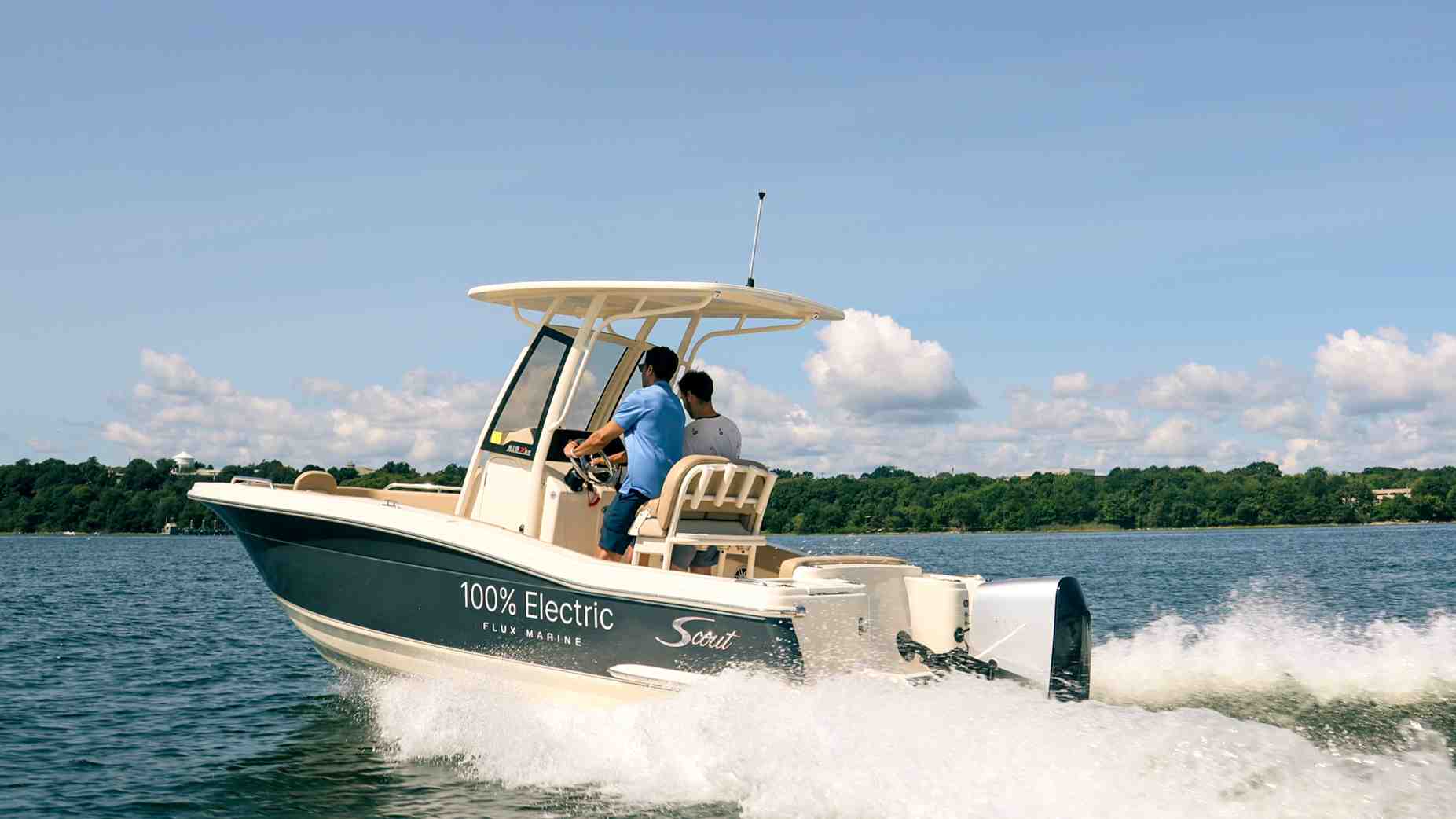
Why Electric Sailboat Motors Are Changing the Way We Sail
Electric sailboat motors are rapidly becoming the preferred choice for sailors seeking a quieter, cleaner, and more enjoyable boating experience. Here's what you need to know when choosing an electric motor for your sailboat:
Top Considerations When Choosing an Electric Sailboat Motor:
- Power Output: Select 6-12 kW for boats under 35 feet, 15-25 kW for 35-45 feet, and 40+ kW for larger vessels
- Drive Type: Choose between shaft drive (simplest conversion), saildrive (integrated efficiency), or pod drive (modern installation)
- Battery Capacity: Plan for 5-6 hours of cruising at 4 knots or 10 hours of motor-sailing on a typical 10m yacht
- Voltage System: Most sailboat systems use safe 48V DC configurations meeting ABYC standards
- Cost Range: Budget $19,000-$32,000 for a DIY installation or $38,000-$57,000 for professional systems when replacing a 40hp diesel
Key Benefits: Instant torque for docking, vibration-free operation, minimal maintenance (no oil changes or fuel filters), and the ability to regenerate power while sailing above 4.5 knots.
There's something deeply satisfying about sailing purely by wind power. But the wind doesn't always cooperate when you need to steer a tight marina entrance at sunset or punch through a foul tide. That's where electric propulsion changes everything—offering instant, silent thrust without sacrificing the serenity that drew you to sailing in the first place.
Unlike traditional diesel engines that require warming up, produce noxious fumes, and demand constant maintenance, electric motors deliver immediate power the moment you need it. They're nearly vibration-free and typically less than half as loud as combustion engines, which means better conversation underway and easier communication while docking. You'll never again need to shout over engine noise or deal with diesel smell permeating your cabin.
The technology has matured significantly. Modern electric sailboat motors now provide enough power to replace diesel engines up to 100 horsepower, with compact designs that often occupy one-fifth the space of the engines they replace. Advanced lithium iron phosphate (LiFePO4) batteries deliver safe, reliable power, while hydro-regeneration systems can recharge your batteries while you sail—essentially turning your propeller into a wind-powered generator at speeds above 4.5 knots.
But choosing the right electric motor system requires understanding more than just horsepower equivalents. You need to consider drive types, battery capacity, charging infrastructure, and how your sailing style affects range. The initial investment is higher than rebuilding an aging diesel, but the long-term benefits—drastically reduced maintenance, lower operating costs, and an infinitely more pleasant boating experience—make it an increasingly practical choice for coastal cruisers and liveaboards alike.
The Shift to Silent Power: Key Advantages of Electric Propulsion
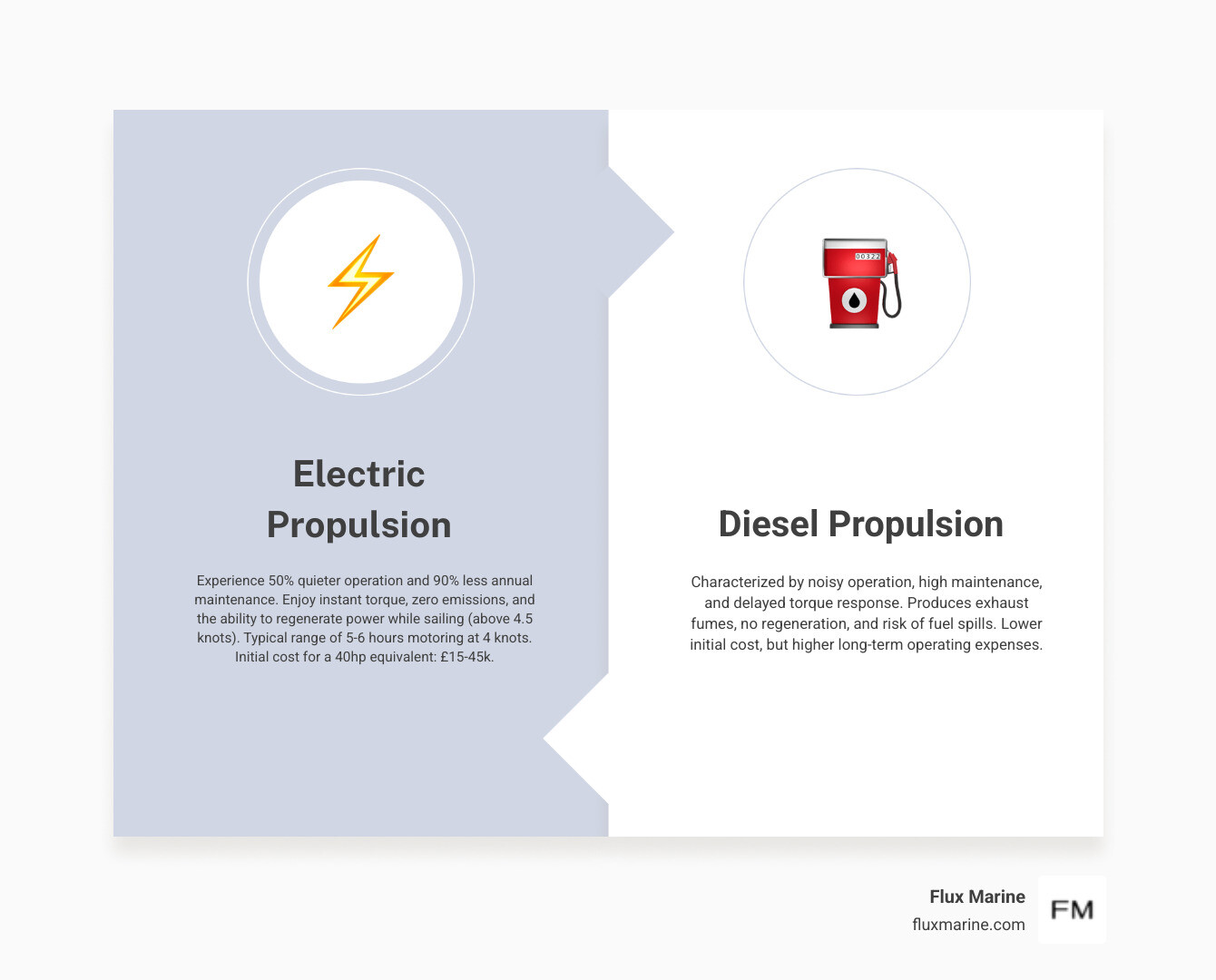
When we talk about upgrading to an electric sailboat motor, we're not just discussing a new engine; we're talking about a fundamental shift in the boating experience. For decades, diesel engines have been the workhorse of auxiliary propulsion for sailboats. However, the drawbacks are well-known: the noise, the vibrations, the fumes, the constant maintenance, and the ever-present risk of fuel spills. Electric propulsion offers a compelling alternative that addresses these issues head-on, enhancing safety, convenience, and enjoyment on the water.
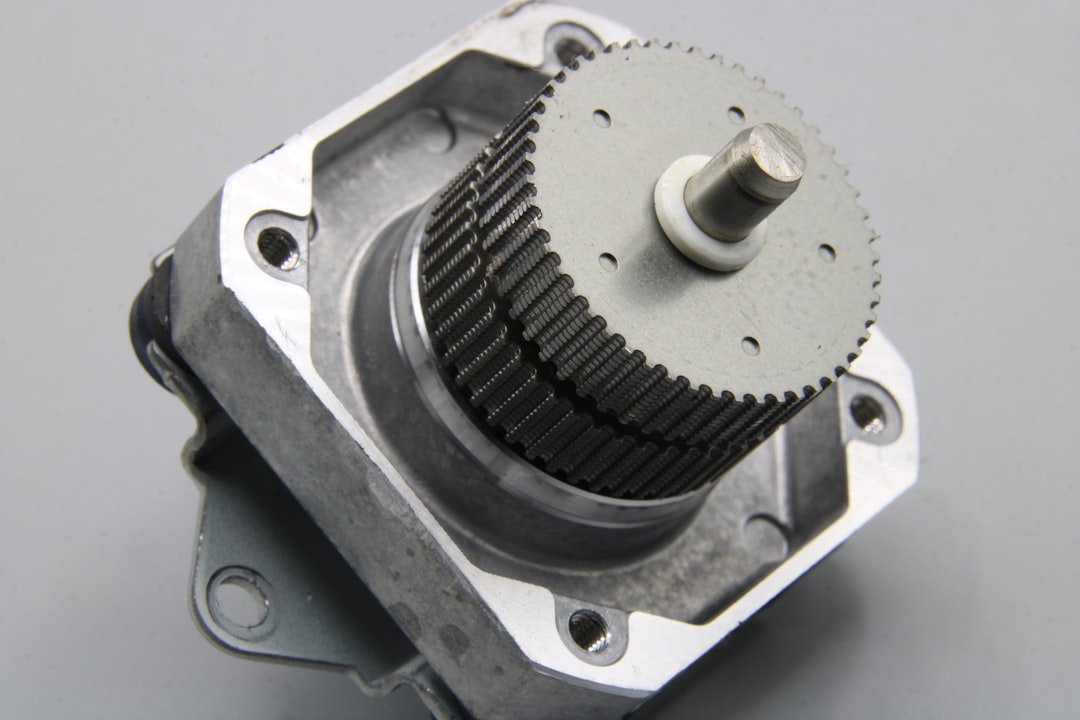
Modern electric propulsion systems are designed to meet rigorous standards, such as those set by ABYC, ensuring safe operation at common voltages like 48V DC. This commitment to safety, combined with the inherent benefits of electric power, makes the transition an increasingly attractive option for sailors across our coastal regions, from Rhode Island to Florida.
Why Electric Beats Diesel for Sailors
The advantages of an electric sailboat motor over a traditional diesel engine are numerous and immediately noticeable. Firstly, the silence is remarkable. Imagine gliding out of your slip in Bristol, RI, in the early morning hours without disturbing anyone, or enjoying the sounds of the ocean instead of engine roar. Electric motors are nearly vibration-free and typically less than half as loud as combustion engines. This quiet operation means better conversation underway and easier communication while docking.
Secondly, the instant throttle response of an electric motor is a significant advantage, especially for maneuvering in tight spaces or challenging currents. Unlike a diesel that needs to spool up, an electric motor delivers full torque the moment you demand it, providing precise control when berthing or navigating crowded waterways like those around Norfolk, VA.
Weight and space are also significant factors. Electric motors are often considerably more compact and lighter than their diesel counterparts. For example, some electric inboard motors are about two-thirds the size and less than half the weight of a typical 8D lead-acid battery, even when accounting for the battery bank. This frees up valuable space in your engine compartment for other uses and allows for strategic placement of batteries to optimize boat performance.
Furthermore, electric systems eliminate noxious diesel fumes, the mess of oil changes, and the need for fuel filters. There are no fuel spills, significantly reducing fire risk and simplifying winterization procedures. This means less time spent on dirty engine tasks and more time enjoying the clean, fresh air of the open water. Our goal at Flux Marine is to provide a more powerful, efficient, sustainable, and enjoyable boating experience, making ownership easier and contributing to a cleaner, quieter industry. If you're interested in understanding the safety aspects of electric boating, we encourage you to read more on electric boating safety.
Environmental and Experiential Gains
Beyond the practical benefits, choosing an electric sailboat motor delivers substantial environmental and experiential gains. The elimination of exhaust emissions means you're preserving pristine anchorages and waterways, enjoying truly fresh air, and connecting with nature in a way that's impossible with a noisy, smelly diesel. This is particularly relevant in environmentally sensitive areas or on lakes where combustion engines are restricted, allowing you to access places others cannot.
While the carbon footprint of battery production for a privately owned sailing yacht with very low annual engine hours might not always be offset, for charter yachts or owners who spend considerable time on board—logging high engine hours—electric or hybrid propulsion is a very sustainable proposition. Electric propulsion contributes to our mission of a cleaner, quieter marine environment.
Anatomy of an Electric Sailboat Propulsion System
An electric sailboat motor system is a sophisticated integration of several key components working in harmony to provide reliable power. Understanding these parts is crucial for anyone considering a conversion or a new electric-powered vessel.
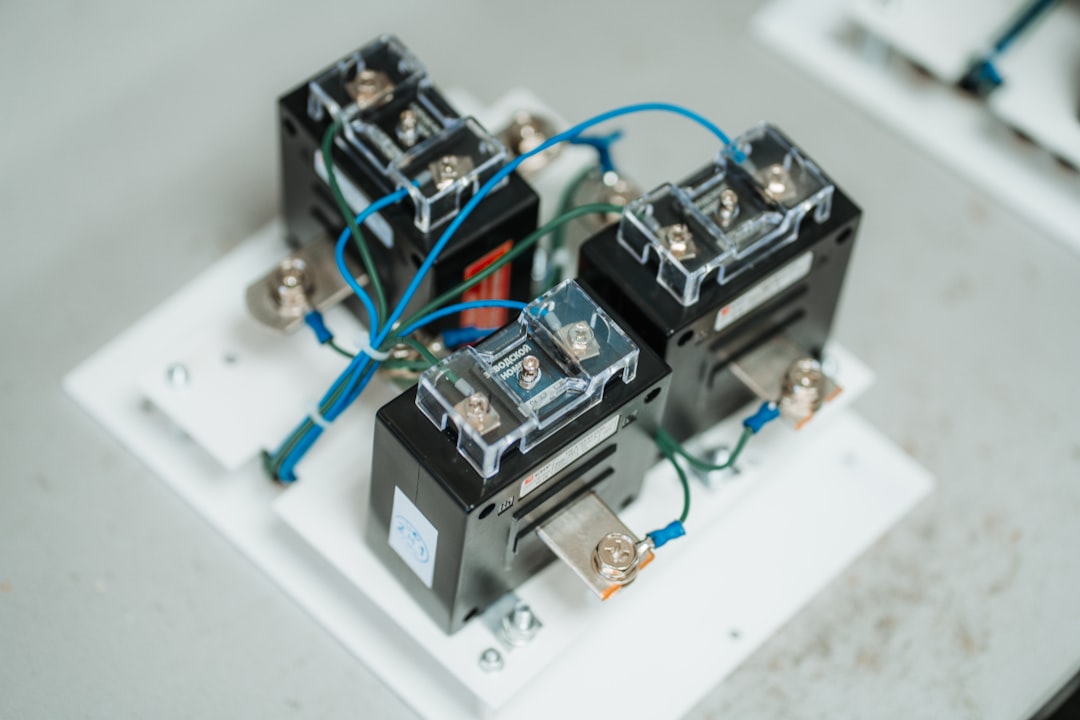
At its core, an electric propulsion system consists of:
- Electric Motor: The heart of the system, converting electrical energy into mechanical energy to turn the propeller.
- Motor Controller: This electronic brain manages the power flow from the batteries to the motor, controlling speed and direction. It's programmed to match the specific battery pack details, including chemistry, amp-hour rating, and voltage.
- Battery Bank: The power source, typically composed of advanced lithium-ion batteries, which store the energy needed to drive the motor.
- Throttle Control: The interface for the helmsman to command the motor's speed and direction, often featuring neutral locking for safety.
- User Interface Display: A multi-function display (MFD) that provides crucial data such as state of charge, voltage, motor speed, power consumption, and often integrates navigation and other boat systems.
- Drive System: The mechanical link between the motor and the propeller, which can vary in design.
- Charging System: Equipment for replenishing the battery bank from various sources like shore power, solar panels, or hydro-regeneration.
- Cooling System: Essential for maintaining optimal operating temperatures for the motor and controller, often airflow-based in modern electric systems, eliminating the need for seawater plumbing.
Types of Electric Drive Systems
When we design an electric sailboat motor system, we consider three primary drive types, each with its own advantages for different hull designs and sailing preferences:
- Shaft Drive Conversion: This is often the most straightforward conversion for boats with existing inboard diesel engines. The electric motor directly replaces the diesel, connecting to the existing propeller shaft. It's a robust and proven solution, minimizing modifications to the hull.
- Saildrive Units: These integrated units combine the electric motor with a leg that extends through the hull, offering a compact and efficient solution. Saildrives can be highly efficient for both propulsion and hydro-regeneration. For instance, some advanced saildrives feature a variable pitch prop that combines high efficiency with powerful hydro-generation.
- Pod Drives: These external, often steerable, units are mounted beneath the hull. Pod drives offer exceptional maneuverability and can eliminate the need for a traditional rudder or stern thruster. Their compact nature and ability to rotate 360 degrees make them ideal for modern installations and tight docking situations.
Choosing the right drive system involves assessing your boat's hull design, existing engine configuration, and your priorities for performance and maneuverability. Our team at Flux Marine can help you determine the best fit for your vessel.
Understanding Power: Your Electric Sailboat Motor vs. Diesel HP
One of the most common questions we hear is about comparing the power of an electric sailboat motor to a traditional diesel engine. While horsepower (HP) is a familiar metric for internal combustion engines, electric motors are typically rated in kilowatts (kW). Electric motors deliver instant torque, which can make a lower kW electric motor feel more powerful than an equivalent HP diesel engine, especially at low RPMs crucial for maneuvering.
Here's a general comparison to help you understand typical power outputs:
Electric Motor (kW)Comparable Diesel Engine (HP)Typical Boat Size/Weight3.0 kW (EP-6)6 HPUnder 20 ft / 3,000 lbs6.0 kW (EP-12)12 HP20-27 ft / 5,000 lbs8.4 kW (EP-20)20 HP25-34 ft / 7,500 lbs17.0 kW (EP-40)40 HP32-42 ft / 20,000 lbs29.7 kW (EP-70)70 HP38-56 ft / 29,500 lbs42.5 kW (EP-100)100 HP50-85 ft / 50,000 lbs86.1 kW (EP-200)150-250 HP60-120 ft / 125,000 lbs105.0 kW (EP-250)250 HP20-120 ft / 140,000 lbs
Note: These are general equivalences. Actual performance depends on boat hull design, propeller, and specific operating conditions.
Sizing the motor correctly for your displacement is critical. A powerful electric motor, like our EP-40, is about one-fifth the size of the 40 HP diesel it replaces. Our larger EP-250 fits within a 2-foot cube and weighs just 205 pounds, replacing 100-250 HP engines. This significant reduction in size and weight translates directly into more usable space and improved performance for your sailboat. For a deeper dive into how torque influences marine propulsion, we recommend reading our article on Understanding Torque.
Powering Your Journey: Batteries, Range, and Regeneration
The battery bank is the fuel tank of your electric sailboat motor system, and its capacity, chemistry, and charging capabilities are paramount to your cruising experience. Understanding these elements is key to overcoming "range anxiety" and maximizing your time on the water.
Calculating Your Needs and Overcoming Range Anxiety
Range anxiety is a common concern for first-time electric boat buyers, but in practice, most recreational and commercial use cases fall well within modern electric propulsion range limits. A typical electric propulsion system for a 10m, 6-tonne cruising yacht, for example, is usually designed to provide around five to six hours of gentle cruising at approximately 4 knots, or maybe 10 hours of motor-sailing, before requiring a charge. This range is often sufficient for coastal cruising from marina to marina, which accounts for 85% of today's boat owners.
The key to maximizing range and efficiency lies in understanding hull dynamics. The wave-making resistance of a hull increases exponentially at speeds above 1x the square root of the effective waterline length in feet. This means it takes three times more energy to push a boat with a 36ft (10.9m) waterline at 8 knots than at 6 knots. By simply reducing your speed, you can significantly extend your range. Reducing the speed of a 36-footer from 6 knots to 5 knots, for instance, reduces total energy consumed by roughly a further 30%.
Motor-sailing is another powerful strategy. Even a small push from your electric sailboat motor can dramatically increase your boat speed and apparent wind, allowing you to sail more efficiently and regenerate power. We've seen instances where just 3.3kW of push from an electric motor was enough to double boat speed from 2.2 to 4.5 knots while reaching in less than 4 knots of true wind with a mainsail and Code 0. This kind of efficiency allows for extended range and less reliance on continuous motor power. We encourage you to read more on electric propulsion strategies to optimize your sailing.
When it comes to battery selection, lithium iron phosphate (LiFePO4) batteries are the most realistic and safest option for marine electric propulsion systems. While not the most energy-dense, their proven safety record makes them ideal for boat installations. Most electric propulsion systems on small to medium-sized yachts use a 48V battery bank. Our demo boat project features a 47 kWh battery pack, for example, which supports CCS standard and fast charging (80% in approximately 45 minutes), showcasing the rapid advancements in charging technology.
Here are common charging methods for an electric sailboat:
- Shore Power: Plugging into marina pedestals (120V or 240V AC) is the most common way to fully recharge your batteries when docked.
- Solar Panels: Strategically placed solar arrays on deck or bimini can provide a continuous trickle charge, extending your range by a couple of hours in the summer and helping maintain battery health.
- Hydro-Regeneration: As discussed below, sailing at speed can turn your propeller into a generator.
- Generator (Hybrid Systems): For longer voyages or when wind and sun are insufficient, a small, efficient diesel or gasoline generator can provide on-demand charging.
- Wind Generators: Similar to solar, wind turbines can supplement charging, especially in windy anchorages.
The Power of Hydro-Regeneration
One of the most innovative features of an electric sailboat motor system is hydro-regeneration. Nearly all electric motors used in marine propulsion have the capability to turn into a hydro-generator when your boat speed under sail goes above 4.5 knots or so and the prop/motor is allowed to rotate in reverse. This means that while you're sailing, your propeller is actively putting charge back into your battery bank.
The contribution of hydro-regeneration to your range can be significant. It can provide around 750W at 7 knots boat speed per prop, equating to about 15A at 48V. Some advanced systems with variable pitch propellers can be even more efficient. For example, these systems can produce more than 1kW at 6-8 knots and claim significant increases in efficiency for both propulsion and regeneration.
Variable pitch propellers improve both propulsion efficiency and regeneration capabilities. By allowing the propeller blades to adjust their angle, they can optimize thrust when motoring and maximize energy capture when hydro-generating. While solar and hydro-regeneration are excellent bonuses, we always recommend treating them as supplements rather than primary charging sources, especially when planning for extended periods without sun or wind.
The Practicalities: Cost, Installation, and Performance of an electric sailboat motor
Making the switch to an electric sailboat motor involves considering several practical aspects, including the initial investment, installation process, and how the system performs in real-world sailing conditions. We're committed to making this transition as smooth and informed as possible for boat owners in our regions, from West Palm Beach, FL, to Brookhaven, NY.
Conversion Costs: DIY vs. Professional Installation
The cost of converting a sailboat to electric propulsion is a significant consideration. While the initial outlay can be higher than simply rebuilding an old internal combustion engine, the long-term savings in fuel and maintenance often make it a worthwhile investment.
For example, replacing a typical 40hp diesel engine can cost around $25,000, including parts and installation. An electric sailboat motor replacement can vary:
- DIY-installed Pure Electric Drive (PED) System: This might cost in the range of $19,000-$32,000, depending heavily on the number of batteries specified and your ability to source components and perform the work yourself. DIY installation requires mechanical ability, basic electrical knowledge, and tools like a voltmeter.
- Professionally Designed and Installed Pure Electric Drive System: This option is more likely to be in the region of $38,000-$57,000. While this is a higher upfront cost, it includes expert design, installation, and often warranties that provide peace of mind. For complex or high-voltage battery systems, professional installation is strongly recommended for safety and optimal performance.
Our team at Flux Marine offers expertise and support for installations, whether you're in Brick, NJ, or anywhere across our service areas. We provide guidance on selecting the right components and can connect you with qualified installers to ensure your system is perfectly integrated.
A New Approach to Maintenance
One of the most compelling advantages of an electric sailboat motor is the dramatic reduction in maintenance requirements compared to a diesel engine. Gone are the days of messy oil changes, clogged fuel filters, and complex exhaust systems.
With an electric motor, you can expect:
- No Oil Changes: Electric motors don't use oil for lubrication in the same way combustion engines do, eliminating a major maintenance headache and environmental concern.
- No Fuel Filters: Since there's no fossil fuel, there's no need to worry about fuel contamination or replacing filters.
- No Exhaust Systems: Electric propulsion eliminates the entire exhaust system, simplifying plumbing and removing a common source of leaks and corrosion.
- Fewer Moving Parts: Electric motors are inherently simpler, often having only one moving part. This translates to exceptional reliability and a significantly reduced chance of mechanical failure. Many of our motors receive no scheduled service for 50,000 hours.
- Electrical Connections: Maintenance primarily involves checking electrical connections for corrosion and ensuring the battery bank is properly maintained.
- Anode Replacement: For saildrives and pod drives, regular anode replacement is still necessary to protect against galvanic corrosion.
This simplified maintenance schedule means more time sailing and less time in the engine room, contributing to a more enjoyable and less stressful boating experience.
On-the-Water Performance of an electric sailboat motor
The performance of an electric sailboat motor on the water is often a pleasant surprise for those accustomed to diesel engines.
- Motoring in Calm Seas: Electric motors provide smooth, quiet power for motoring in calm conditions. You'll quickly appreciate the absence of noise and vibration, making for a much more serene journey. Our motors offer intuitive operation and precise speed control.
- Motor-Sailing in Light Airs: This is where electric propulsion truly shines. Even a small amount of power from the electric motor can significantly increase your boat speed and apparent wind, allowing you to sail faster and more efficiently. We've seen a hybrid Ovni 430, for instance, needing less than 14% of its rated output (3.3kW) to double its boat speed from 2.2 to 4.5 knots while reaching in light airs. This strategy also maximizes hydro-regeneration opportunities.
- Punching into a Headwind: While a diesel engine might have a slight edge for sustained high-power output into heavy seas and strong headwinds, electric motors still perform admirably. The instant, high torque at low speeds is invaluable for maintaining steerage and making progress. For example, maneuvering an Xc 47 in harbor, holding station against a 15-knot headwind while sorting lines and fenders, used only 300-500W of propulsion power. This demonstrates the efficiency and capability of electric motors even in challenging conditions. However, for continuous high-speed motoring into severe head seas, a larger battery bank or a hybrid system with a generator might be required.
- Docking and Close-Quarters Maneuvering: This is arguably where electric propulsion offers its most significant performance advantage. The instant, precise throttle response and huge amount of torque at low speeds make docking and maneuvering in tight marinas far easier and less stressful. There's no delay in power delivery, allowing for fine adjustments and confident handling.
Conclusion: Your Next Chapter in Sailing
The transition to an electric sailboat motor represents not just an upgrade in technology, but a significant improvement to the entire sailing experience. We've explored how electric propulsion offers a quieter, cleaner, and more enjoyable journey, free from the noise, fumes, and constant maintenance associated with traditional diesel engines. From the instant torque that simplifies docking to the potential for hydro-regeneration while sailing, the advantages are clear.
We understand that choosing an electric motor system for your sailboat is a significant decision, involving considerations of power, battery capacity, drive type, and cost. However, the technology has matured to a point where it is a practical, reliable, and increasingly accessible choice for a wide range of sailors. Whether you're cruising the coastlines of Rhode Island, exploring the waters of Florida, or navigating the busy channels off New Jersey, an electric sailboat motor offers a superior experience.
At Flux Marine, we're passionate about delivering powerful, efficient, sustainable, and enjoyable electric propulsion systems that make boating ownership easier and contribute to a cleaner, quieter industry. We believe that your next chapter in sailing should be marked by serenity, environmental responsibility, and effortless performance.
Ready to explore how an electric sailboat motor can transform your boating experience? Learn more about the core technology behind modern electric propulsion and find how Flux Marine is leading the way in electric marine innovation.

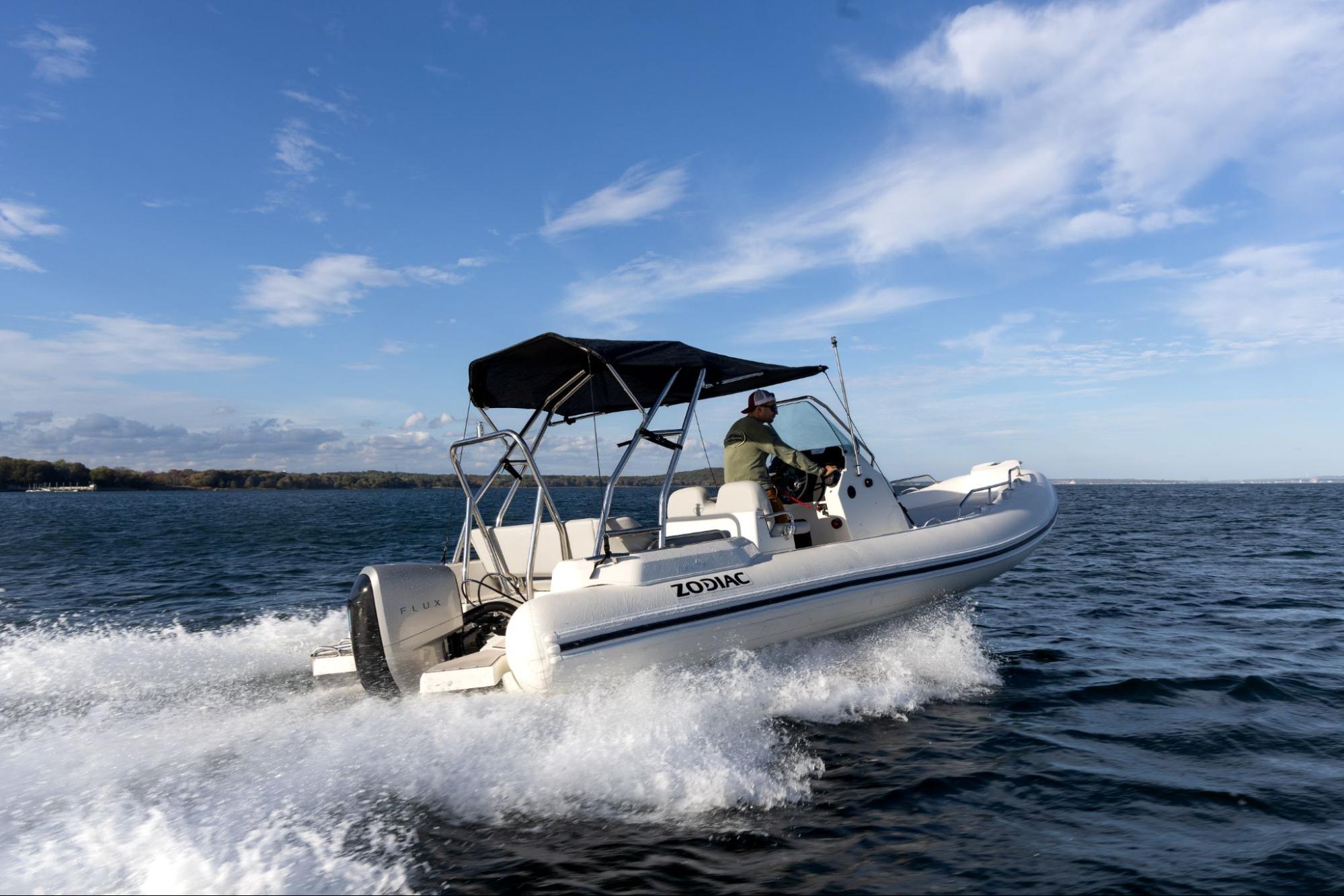
.jpg)