.svg)

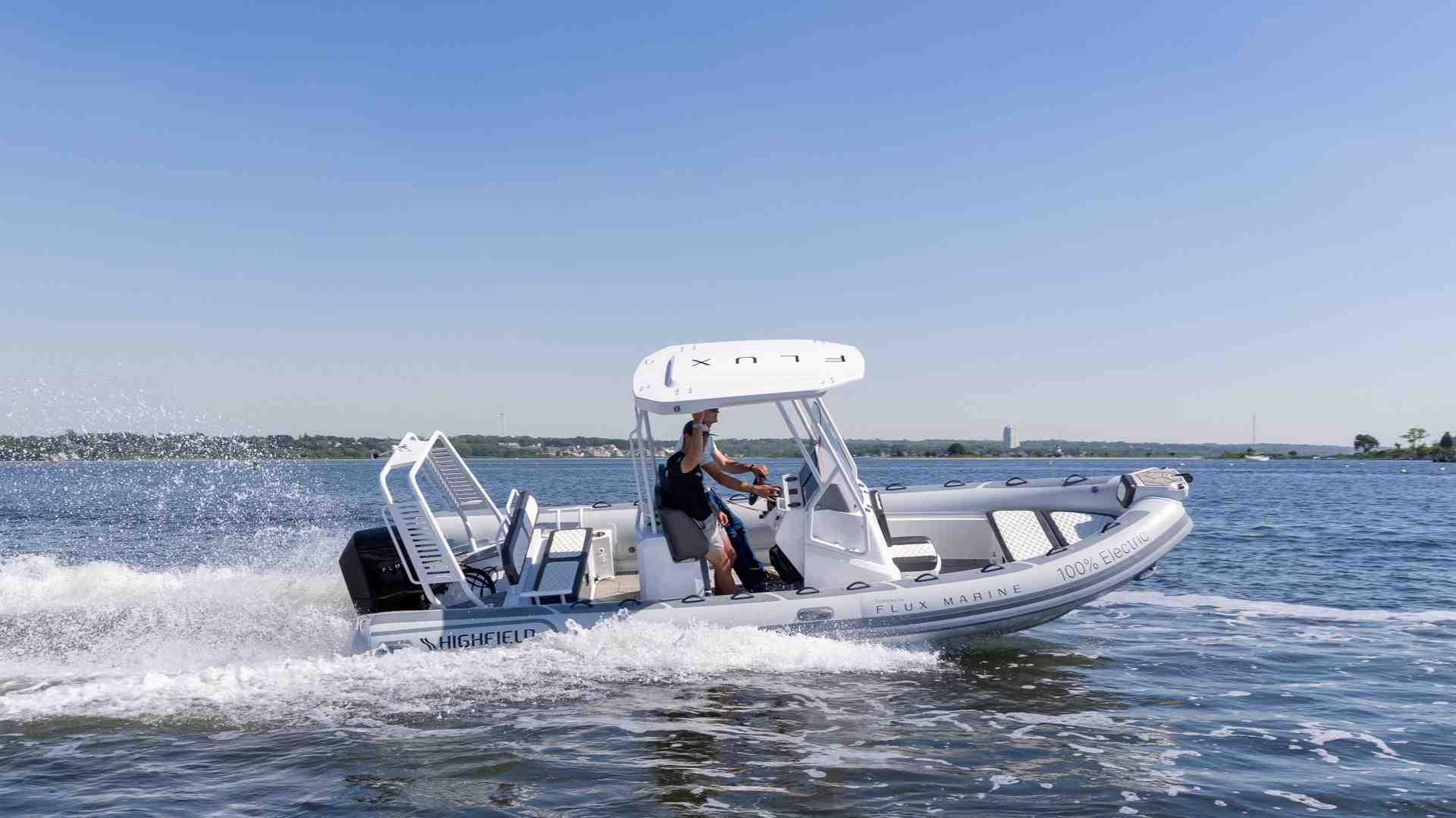
Why Electric Outboards Are Changing the Boating Industry
Electric outboard for sale listings are rapidly expanding as the marine industry shifts toward cleaner, more reliable propulsion. If you're looking for an electric outboard, here's what you need to know:
Typical Electric Outboard Price Ranges:
- Entry-level (5-10 HP equivalent): $3,150-$4,500
- Mid-range (14-20 HP equivalent): $4,950-$9,600
- High-performance (30-50 HP equivalent): $7,500-$13,700
Key Benefits:
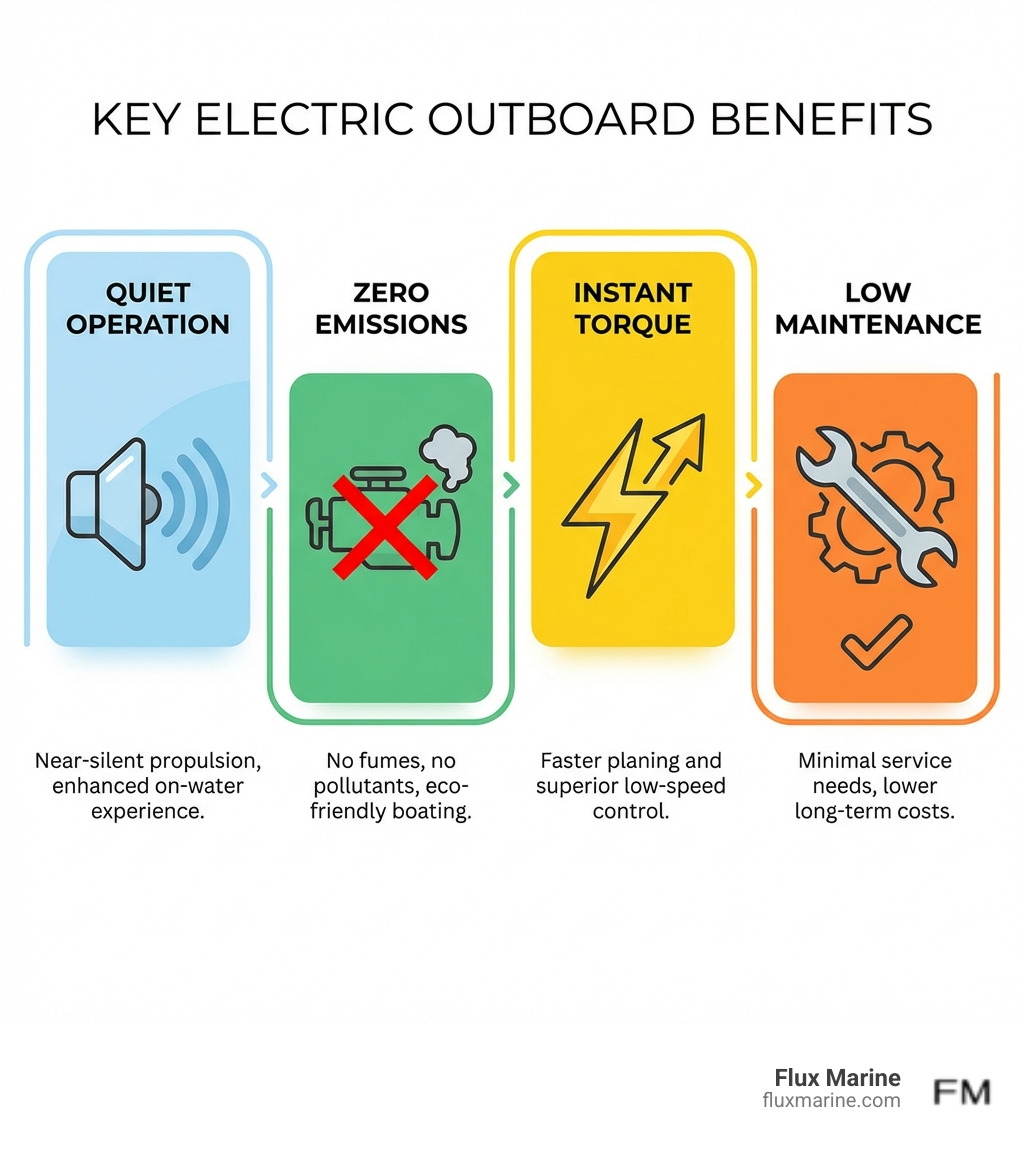
- Zero emissions and near-silent operation
- Instant torque for faster planing
- 50-70% lower operating costs vs. gas
- Minimal maintenance (no oil changes, winterization, or spark plugs)
The global electric outboard market was valued at $1.1 billion in 2022 and is projected to reach $3.5 billion by 2030, driven by rising fuel costs, stricter environmental regulations, and boaters seeking better performance without the noise, fumes, and maintenance headaches of gas engines.
Electric outboards now deliver comparable power to traditional combustion engines while eliminating fuel costs, reducing maintenance to nearly zero, and providing instant torque for superior low-speed control. Leading manufacturers offer models ranging from 5 HP to over 100 HP equivalents, with battery systems that support everything from lightweight dinghies to commercial workboats.
As the founder and CEO of Flux Marine, I've spent nearly a decade engineering high-output electric propulsion systems that match or exceed gas engine performance, and I've seen how the electric outboard for sale market has matured from niche trolling motors to serious alternatives for planing hulls, commercial fleets, and long-range cruising. This guide will help you steer the options, understand total cost of ownership, and choose the right system for your boat.
Electric vs. Gas Outboards: A Head-to-Head Comparison
Choosing an electric outboard for sale marks a significant shift in the boating experience, moving away from the familiar rumble and fumes of gasoline engines towards a cleaner, quieter, and often more efficient alternative. The decision isn't just about environmental impact; it's about performance, operational costs, and the overall enjoyment of time on the water.
Electric outboards offer a compelling suite of advantages that traditional gasoline engines simply cannot match. We’re talking about quiet operation that allows for conversations at cruising speed and an immersive connection with nature, zero exhaust emissions that protect our waterways, and instant torque that transforms acceleration and low-speed maneuverability. The reduced maintenance requirements mean no more oil changes, spark plug replacements, or complex winterization rituals, leading to significant long-term savings. This growing appeal is reflected in market trends, with the global electric outboard motor market projected to reach USD 3.5 billion by 2030.
Let’s consider a direct comparison of the annual running costs, keeping in mind that the exact figures will vary based on usage, local electricity rates, and fuel prices. While the upfront investment for an electric system can be higher, the operational savings quickly add up, making the total cost of ownership often lower over the lifespan of the motor.
FeatureElectric Outboard (50HP Equivalent)Gasoline Outboard (50HP)Fuel CostSignificantly lower (electricity)High (gasoline)MaintenanceMinimal (no oil, filters, spark plugs, winterization)Regular (oil changes, filter replacements, spark plugs, winterization)NoiseNear-silentLoud, vibratingEmissionsZeroHigh (exhaust, spills)WinterizationNot requiredEssentialReliabilityHigh (fewer moving parts)High (more complex)
The Performance Advantage of Electric
One of the most immediate and impactful benefits of an electric outboard for sale is the performance it delivers. Unlike gasoline engines that need to rev up to produce power, electric motors provide instant torque from zero RPM. This translates directly to faster planing for appropriate hull types and exceptionally precise control at low speeds, which is invaluable for docking or navigating crowded marinas.
Imagine effortlessly gliding onto plane without the lag, or maneuvering into a tight slip with fine-tuned throttle response. This instant power delivery also means no idling noise or vibrations, immersing you more deeply in the sounds of the water and wind. It's a boating experience that's both exhilarating and serene.
The Financial and Environmental Case
The financial and environmental arguments for choosing an electric outboard for sale are compelling. From a financial perspective, the elimination of fuel costs is a major draw. We no longer need to budget for gasoline, and the cost of charging batteries is a fraction of what you’d spend at the pump. Maintenance is dramatically simplified: no oil changes, no fuel filters, no spark plugs, and often no complex winterization procedures. With fewer moving parts, electric motors are inherently more reliable and require minimal scheduled service, saving both time and money.
Environmentally, the benefits are clear. Electric outboards produce zero emissions on the water, protecting marine ecosystems from harmful pollutants and reducing our carbon footprint. There's no risk of accidental fuel or oil spills, contributing to cleaner, healthier waterways. This commitment to sustainability is at the core of our mission. More info about our technology is available to explore how we are advancing marine propulsion.
Key Factors When Shopping for an Electric Outboard for Sale
When you’re in the market for an electric outboard for sale, it’s crucial to look beyond just the price tag. Making the right choice involves understanding how the motor integrates with your specific boat, your intended use, and the practical realities of battery systems. We aim to equip you with the knowledge needed to make an informed decision for your vessel.
Understanding Power Ratings and Equivalency
One of the first considerations is deciphering power ratings. Electric outboards are typically rated in kilowatts (kW), while traditional gas engines use horsepower (HP). To help bridge this gap, manufacturers often provide "HP equivalent" ratings. For example, a 6kW electric motor might be comparable to a 9.9HP gasoline engine. It's important to differentiate between continuous power (what the motor can sustain) and peak power (what it can deliver in short bursts for acceleration).
Leading brands offer a wide range of power options, with some models comparable to a 50HP gasoline engine and others equivalent to a 20HP gasoline engine. High-performance models can offer up to 50 peak horsepower with 35 continuous horsepower, while even more powerful systems can deliver 115HP peak with 70 continuous horsepower. Matching the right power output to your boat's weight and your desired performance (e.g., planing speed vs. displacement cruising) is fundamental to satisfaction.
Matching the Motor to Your Boat and Use
Selecting the correct electric outboard for sale is highly dependent on your boat's characteristics and how you plan to use it.
- Boat Size and Weight: A heavier boat will require more power. For instance, a 5HP equivalent motor might be perfect for a small dinghy, while a 50HP equivalent would be needed for a larger pontoon boat or center console. Our systems are designed for optimal performance on a range of vessels.
- Hull Type: Planing hulls require significant power to get on plane, leveraging the instant torque of electric motors. Displacement hulls, common in sailboats and some workboats, benefit from efficient, sustained thrust.
- Transom Height and Shaft Length: Just like with gas outboards, selecting the correct shaft length (short vs. long) is vital for optimal propeller depth and performance. A transom height of 15 inches or longer typically calls for a long shaft.
- Intended Use: Are you fishing in electric-only lakes, cruising quietly through no-wake zones, or using it for commercial workboat applications that demand reliability and endurance? Each use case will influence the ideal power, battery capacity, and control options (tiller vs. remote). We offer flexible solutions to fit diverse boating needs. Explore boat packages to see integrated systems.
Battery Systems and Range Realities
The battery system is the heart of any electric propulsion setup, and understanding its components is key when considering an electric outboard for sale.
- Battery Chemistry: Common options include AGM (Absorbent Glass Mat) and Lithium-ion, with Lithium Iron Phosphate (LiFePO4) being a popular choice for its longevity, safety, and energy density. Advanced solid-state batteries are emerging, offering lighter weight and smaller footprints.
- Voltage Systems: Electric outboards operate on various voltage systems, such as 24V, 48V, 96V, 108V, 144V, or even 350V for higher power applications. The motor's voltage requirement will dictate the battery configuration.
- Capacity: Battery capacity is measured in Amp-hours (Ah) or Kilowatt-hours (kWh). Higher capacity generally means longer range and runtime.
- Calculating Range: Range is a common concern, often referred to as "range anxiety." While direct comparisons to a tank of gas can be misleading due to varying power draw at different speeds, modern battery systems, coupled with efficient electric motors, provide ample range for most recreational and commercial use cases. For example, many electric outboards can provide a full day on the water on a single charge.
- Battery Management Systems (BMS): A sophisticated BMS is crucial for monitoring battery health, optimizing performance, and ensuring safety. It prevents overcharging, over-discharging, and overheating, extending the battery's lifespan.
Our systems are designed to maximize efficiency, allowing for extended operation. For demanding applications, such as commercial operations, careful planning of battery capacity is essential. View our workboat applications to see how our robust systems are deployed.
Analyzing the Total Cost of Ownership
When evaluating an electric outboard for sale, look beyond the initial purchase price and consider the total cost of ownership over the motor's lifespan. While the upfront investment might seem higher than a comparable gasoline engine, the long-term savings in fuel, maintenance, and reduced environmental impact often make electric propulsion a more economical choice.
Upfront Purchase Price
The price of an electric outboard for sale varies significantly based on power output, brand, and the completeness of the system (motor only vs. motor with batteries, throttle, and charger).
- Entry-level models (5-10 HP equivalent) typically range from $3,150 to $4,500. For example, a 5HP comparable motor might be priced around $3,150, while a 6HP equivalent could be around $4,300.
- Mid-range options (14-20 HP equivalent) can fall between $4,950 and $9,600. A 14HP comparable motor may cost $4,950, while a 20HP equivalent could be priced closer to $9,600.
- High-performance models (30-50 HP equivalent and above) start around $7,500 and can go upwards of $13,700 or more, depending on power and features. A 50HP comparable motor might be listed at $9,950, while a system with up to 50 peak HP could start at $7,499. A 115HP model could be priced around $13,700.
These prices generally cover the motor itself. Batteries, chargers, and control systems (like throttles) are often sold separately, adding to the overall system cost.
Long-Term Savings: Maintenance and Fuel
This is where electric outboards truly shine in terms of cost-effectiveness. The long-term savings are substantial, making the investment in an electric outboard for sale highly attractive.
Eliminated maintenance tasks include:
- No more oil changes (engine or lower unit)
- No fuel filter replacements
- No spark plug replacements
- No carburetor cleaning or fuel system issues
- No complex winterization procedures (often just removing the battery for storage)
- Greatly reduced risk of mechanical failure due to fewer moving parts
The durability of brushless electric motors, which have only one primary moving part, means they can operate for thousands of hours without needing scheduled service. This translates to immense savings in parts, labor, and downtime.
Fuel savings are another major factor. While electricity costs vary, they are consistently lower than gasoline prices. Boaters often report 50-70% lower operating costs compared to gasoline engines. Over a season, these savings can be significant, especially for frequent users. The expected lifespan of an electric outboard motor and its associated battery pack is often comparable to or exceeds that of a well-maintained gasoline engine, providing a robust return on investment.
Exploring Government Incentives for an electric outboard for sale
While the market for electric outboard for sale is growing rapidly, specific government incentives or rebates for purchasing electric outboard motors are still evolving. We recommend checking with local and state authorities in areas like Rhode Island, Florida, Virginia, New York, and New Jersey for any clean marine programs or tax incentives that may be available. These programs are often designed to encourage the adoption of environmentally friendly technologies and can help offset the initial purchase cost. We advise consulting official government resources or local marine industry associations for the most up-to-date information on any potential federal tax credits, state, or local rebates.
Finding a Reliable Electric Outboard and Service Network
When committing to an electric outboard for sale, the reliability of the system and the accessibility of a strong service network are paramount. We believe that a quality product must be backed by excellent support, ensuring that your time on the water is seamless and enjoyable.
What to Look for in a Manufacturer
Choosing a manufacturer with a proven track record in electric propulsion is crucial. Here’s what we suggest looking for:
- Integrated System Design: A manufacturer that designs the motor, battery, and controls as a cohesive system often provides superior performance, reliability, and ease of use. This ensures all components work together optimally.
- In-house Engineering: Companies with strong in-house engineering capabilities are more likely to innovate, offer robust solutions, and provide expert technical support.
- Advanced Cooling Systems: Efficient cooling is vital for motor longevity and performance, especially for higher power outputs. Look for systems that manage heat effectively, such as patented airflow cooling systems that eliminate the need for seawater plumbing.
- NMEA 2000 Compatibility: This industry standard allows for seamless integration with your boat’s existing marine electronics, such as navigation displays and chart plotters, providing valuable data about your propulsion system.
- Quality of Technical Support: Responsive and knowledgeable technical support is invaluable, especially as you adapt to new technology.
- Comprehensive Warranty: A strong warranty demonstrates a manufacturer's confidence in their product's durability and provides peace of mind.
Our commitment is to deliver robust, high-performance electric propulsion systems that meet these stringent criteria, ensuring a superior boating experience.
Where to find an electric outboard for sale
Finding the right electric outboard for sale involves exploring various avenues, and we aim to make this process as straightforward as possible for our customers.
- Authorized Dealer Networks: These are often the best places to see products firsthand, get expert advice, and ensure professional installation and service. Dealers can also assist with matching the right system to your boat. For those in the Mid-Atlantic, you can Find an electric boat dealer in Norfolk, VA. If you're in Florida, you can Explore new outboards in Palm Beach. We also have locations in Bristol, RI, Brookhaven, NY, and Brick, NJ, ensuring local support across key boating regions.
- Boat Shows: Attending major boat shows is an excellent way to compare different models, speak directly with manufacturers, and often find special offers.
- Online Configurators: Many manufacturers now offer online tools that allow you to build and price your ideal electric propulsion system, selecting motors, batteries, and accessories custom to your needs. This is a great way to explore options from the comfort of your home. You can Build your own package with us to customize your electric outboard system.
We are dedicated to providing accessible and reliable solutions for the boating community, whether you're in Rhode Island, Florida, Virginia, New York, or New Jersey.
Conclusion: Making the Switch to Electric Propulsion
The landscape of marine propulsion is undeniably shifting, and the electric outboard for sale market is at the forefront of this change. We've explored the compelling advantages that electric outboards hold over traditional gasoline engines, from their serene, near-silent operation and zero emissions to their instant torque and significantly reduced maintenance requirements. These benefits translate into a more enjoyable, sustainable, and cost-effective boating experience.
The growing market, projected to reach USD 3.5 billion by 2030, highlights a clear trend towards electric propulsion, driven by environmental consciousness, rising fuel costs, and a demand for more reliable and user-friendly technology. We've digd into the key factors for buyers, including understanding power ratings, matching the motor to your specific boat and usage, and navigating the nuances of battery systems to address range realities. The analysis of total cost of ownership reveals that while the initial investment might be higher, the long-term savings in fuel and maintenance create a strong financial argument for making the switch.
For us, the future of boating is electric. It's a future where performance and reliability are not compromised by environmental responsibility. Our commitment at Flux Marine is to provide advanced electric propulsion systems that not only meet but exceed the expectations of serious boaters, commercial operators, and marine professionals. We believe in delivering a more powerful, efficient, sustainable, and enjoyable boating experience, making ownership easier and contributing to a cleaner, quieter industry for everyone.
We invite you to learn more about how advanced electric propulsion works and how it can transform your time on the water. Learn how advanced electric propulsion works.

.jpg)